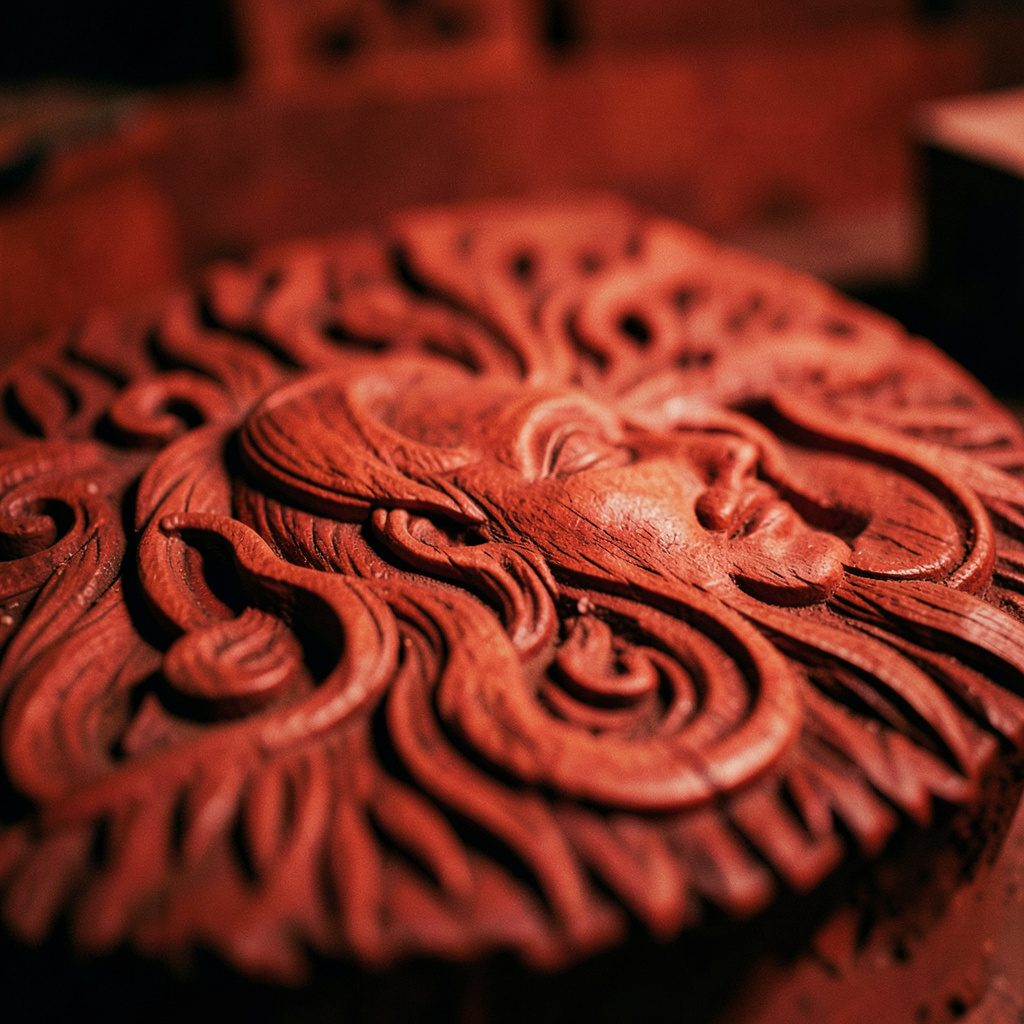
Sculpting Methods in Arts
A look at the techniques shaping three-dimensional art, from long-established carving traditions to clay and ceramic work.
Working with Form and Material
Sculpting draws on a range of approaches for turning raw material into dimensional art. Coverage in this category looks at how different methods — carving, modeling, casting — shape both process and finished piece, and how each tradition carries its own tools and handling.
Wood Carving
An established method relying on hand tools to remove material gradually, revealing form through cutting, chiseling, and finishing.

Stone and Carving Traditions
Related subtractive techniques that share tool logic with wood carving while demanding different handling for harder material.
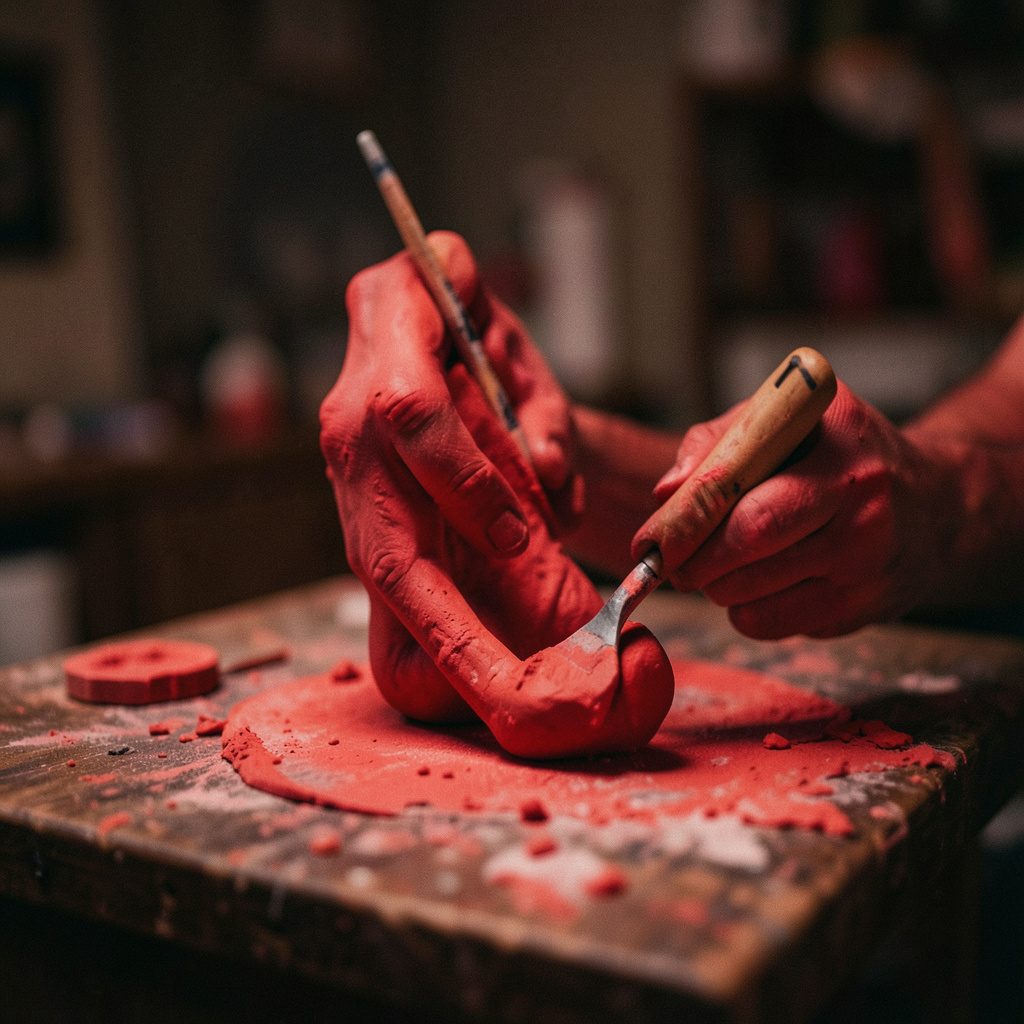
Clay and Ceramic Sculpture
A material-based approach built around shaping, firing, and finishing, offering a contrasting additive process to carving.
Traditional and Unconventional Approaches
Alongside wood carving and ceramic sculpture, this category considers clay modeling and other material-driven methods, comparing long-standing craft traditions with less conventional experiments in three-dimensional art. Articles examine how technique choices affect texture, durability, and the visual outcome of a finished sculpture.
In the realm of three-dimensional art, sculpting methods have evolved through centuries of creative exploration, each approach offering distinct possibilities for artistic expression. Carving, one of the oldest techniques, involves removing material from a solid block to reveal a form hidden within. This subtractive process demands patience and precision, as every cut shapes the final piece irreversibly. Artists who work in this tradition develop a deep sensitivity to their chosen medium, whether wood, stone, or other dense materials, learning to read grain and structural integrity before making each deliberate mark.
Modeling represents a fundamentally different approach to sculpture, one built on addition rather than subtraction. Here, artists build form by applying and shaping pliable materials such as clay or wax, constructing volume layer by layer. This method allows for greater flexibility during the creative process, as forms can be adjusted, refined, or completely reworked before the final stage. The tactile nature of modeling creates an intimate connection between the artist's hands and the emerging piece, with fingerprints and tool marks often becoming integral to the surface texture and character of the finished work.
Casting introduces an entirely separate set of techniques into the sculptor's practice, enabling reproduction and the use of materials that cannot be worked directly. Through mold-making and pouring processes, artists can translate original models into durable metals, plasters, or synthetic resins. This method has been instrumental throughout art history, allowing classical works to be studied and appreciated across generations. The casting process requires careful attention to each stage, from preparing the mold to controlling the flow and cooling of the material, resulting in pieces that capture every detail of the original model with remarkable fidelity.
Contemporary sculptors frequently combine multiple methods, pushing beyond traditional boundaries to create hybrid works that defy easy categorization. The choice of technique often reflects both the artist's conceptual aims and the expressive qualities of the materials themselves. Surface treatment plays an equally important role, with finishing techniques such as polishing, patination, or texturing transforming the final appearance. Whether working in classical traditions or experimental approaches, sculptors share a fundamental engagement with space and volume, inviting viewers to experience form from every angle and to consider the relationship between material, method, and meaning.